中文
中文
 English

The JIS Mark is a mandatory certification based on product certification that verifies the conformity of products according to the Japanese Industrial Standards (JIS). JIS covers industrial and mineral products, data, services and management systems under the Industrial Standardization Act of Japan. The Japanese Industrial Standards are issued by JISC – Japanese Industrial Standards Committee.
The product has to be marked with the applicable JIS Mark:
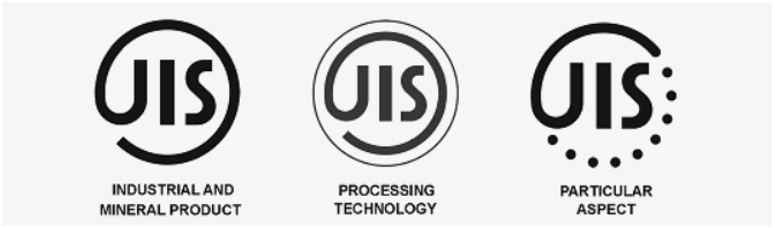
For which Products is JIS Certification relevant
JIS has over 10,000 standards. The products are divided into 20 different categories:
A (Construction and Architecture)
General, building, testing, inspection, surveying, design, planning, equipment, fittings, materials, parts, construction, construction machinery and equipment
B (General mechanical engineering)
Machine fundamentals/machine parts/FA general/tools/devices/machine tools/optical machines/precision machines
C (Electronic devices and electrical machines)
Measuring and testing devices and materials/Wires, cables and electrical circuits/Electrical machines and devices/Communication devices/Electronic devices/components/Bulbs, lighting devices, wiring devices, batteries/Household appliances
D (motor vehicles)
Test and inspection methods/common parts/engines/chassis/car bodies/electrical equipment/instruments/construction vehicles/industrial vehicles/repairs, adjustments, tests and inspection instruments/bicycles
E (Railway)
General rails, tracks, signaling and safety systems, general rail vehicles, railcars, passenger cars, cable cars and cable railways
F (Ship)
Hull/engine/electrical equipment/navigation equipment/instrumentation/machine measuring instruments
G (Steel)
Analysis/raw materials/steel products/cast iron/ pig iron
H (non-ferrous metals)
Analysis methods/raw materials/copper products/other drawn materials/castings/functional materials/processing methods and instruments
K (Chemistry)
Chemical analysis/Environmental
L (fiber)
Testing/Inspection/Yarn/Textile/Textile/Textile Processing Equipment
M (Mine)
Mining/Beneficiation/Coal Preparation/Transportation/Security/Mineral Products
P (Pulp & Paper)
Pulp / Paper / Paper Work / Test & Measurement
Q (Management System)
Reference Materials/Management Systems, etc.
R (Ceramics)
Ceramics / Refractories and insulation materials / Glass and glass fibers / Enamel / Cement / Abrasives / Special ceramic products / Carbon products / Special equipment for ceramics
S (daily necessities)
Furniture / Upholstery / Gas-oil burning equipment / Table utensils / Kitchen utensils / Personal items / Kimono / Stationery / Office supplies / Exercise equipment / Entertainment goods / Music supplies
T (Medical Safety Equipment)
Medical electrical equipment, general medical equipment, dental equipment, dental materials, medical equipment and equipment, occupational safety, welfare-related equipment, hygiene products
W (Aviation)
Specialized materials, standard parts, airframes, engines, instruments, electrical equipment, ground equipment
X (Information Processing)
Programming Languages, Graphics, Document Processing, Document Exchange, OSI, LAN, Data Communications, Output Devices, Recording Media
Y (Service)
General/Common/Industrial Machinery
Z (Other)
Logistics equipment, Packaging materials, containers, and packaging methods, Common test methods, Welding, Radiation, Micrographics, Basics, Environment, Resource Recycling, Factory management, Quality control
The Factory Audit will be conducted by a Registered Certification Body (RCB). The product testing also has to be done in the test laboratory of the RCB. If the manufacturer has an internal test laboratory, witness testing can be conducted during the factory audit.
For mass-produced products, a sample test is conducted for each product unit.
In the case of Lot certification, the Registered Certification Body may conduct testing for each lot or batch.
A Periodic Certification Maintenance Surveillance (Follow-Up) is necessary to keep the JIS Mark certificate valid.